Monday, September 21, 2009

Taako Industries Cameroon: Leading the way in Food Processing Machinery and Equipment construction by Simon Etta.

Lack of private sector investment in Sub-Sahara Africa’s manufacturing sector, has been identified as a primary reason for dismal growth, and increase in poverty. Most consumers and local producers continue to feel the impact as most industrial equipment is imported from abroad. The only remedy is a striving service sector with goods and services at 300% cost of production. However, without an increase in manufacturing to raise local production, increase employment and leverage the economies of scale, Sub-Sahara Africa will never bridge the poverty gap.

As a general rule, the greater a society’s entrepreneurial activity, the faster the growth of its local economy. Increase in economic activity therefore calls for innovation through manufacturing and use of abundant raw materials. One may be tempted to ask, what benefits a country most, manufacturing of goods or financial institutions? Although both institutions supplement one another, it has been documented that wealth in any country comes primarily from one of only three sources. What we manufacture, what we grow (agriculture) and what we extract from the ground (mining). Indeed sub-Sahara Africa has failed to industrialize and in some cases experienced de-industrialization. One reason is the lack of affordable machines for use by small businesses. The tide may be turning due to the technical ingenuity of a few local firms. Takoo Industries has leap frog the pack in Cameroon with innovative strategies in mechanizing processes that took manual hours to complete.

Taako industries innovation can best be visualized from an industrial revolution prism; conception, design, manufacturing and production. Although most engineers spend a great deal of time in research, development and design, very few venture into the manufacturing phase.


Engineer Patrick Egbe is a seasoned and passionate professional. With a chemical engineering background and a passion for manufacturing and production through years of working experience, Patrick is changing the lives of Africans in his native Country of Cameroon by transforming scrap materials into production machines.

Plastic Recyling MachineTaako industries was founded in 1987 and specialize in research, design and construction of processing machines for Cameroonian raw materials. It also designs and constructs artisanal and semi industrial machines and equipments tailored to the customer’s need. Unlike foreign competition, Taako industries provide turnkey solutions with maintenance and after sales service support. Capable of constructing, delivering and commissioning hundreds of machinery, its customer base is growing with well over 200 clients in Cameroon.

A listing of some machines in circulation is as follows:
- Palm oil mills
- Fruit juice equipment
- Palm kernel oil mill
- Egusi peelers
- Cassava processing
- Powder soap equipment
- Plastics recycling machines

One advantage of the machines produced by Taako industries is the small front print and little space they occupy. Due to lack of electricity in some rural communities, machines are manual, motorized or electrical. Patrick understands halting sub Sahara Africa’s relative weakness as a Manufacturing force remains a challenge due to lack of skills, management and industrial organization. Moreover, in a continent where manufacturing lags behind other regions of the developing world, Takoo industries is putting growth and poverty reduction at the center of Cameroon’s development efforts by providing machinery to tap and maximize both human and natural resources. The company welcomes potential investors and interested parties in joint ventures.

Contact Information:

Company Name: Takoo Industries
Location: Douala Cameroon
Telephone: 7773-8032 or 7999-7895
Fax: 3337-2453
Address: B.P. 7382, Douala, Republic of Cameroon
Promoter: Engineer Patrick Egbe
Email: patrickegbe2003@yahoo.com

Monday, September 14, 2009

Africa Connected - the Internet Revolution by Shin Shagaya

It will change Africa forever. Within the next couple of months four high-speed fibre optic cables will link up the east and west coasts of Africa to the rest of the world. It’s going to revolutionise how the continent connects and communicates in many ways – some we can imagine, some we can’t.

Through the 20th century, Africa was regarded as a media backwater – little communication and even less content. In many African countries, up until the 90’s, TV was government owned, newspaper articles had to be approved by the state, and phone lines were provided by inefficient bureaucracies. Back then, an ambitious coup plotter only had to sever a few lines of communications infrastructure to render entire nations effectively deaf and dumb.

Then the revolution started. The first decade of the 21st century for Africans represented the advent and proliferation of the mobile phone. The private companies that spawned these mobile networks made huge profits and their Pan-African brands have become fixtures in the minds of Africans. Internet cafes mushroomed across the continent, PCs were imported in ever increasing numbers and remorseless software piracy ensured that basic productivity applications were available to most people.

One particularly illustrative anecdote is of a particularly challenging installation of an outdoor digital billboard in Nigeria’s capital city – Abuja. After my team and I spent a few days unsuccessfully dealing with technical problems, I called the Chinese supplier who asked if I had a sufficiently fast internet connection. We quickly connected our billboard to a recently acquired wireless broadband modem.

Our Chinese technician, sitting in Shenzhen, took remote control of the billboard and undertook the process of fixing our media equipment – as if he was sitting next to me in the sweltering heat. Periodically, he would ask to see the billboard, and it would require only a few minutes to take a photo with my blackberry and email it to him. Barely a year earlier, we would have had to fly that Chinese engineer to Nigeria – securing a visa, buying an air ticket, and booking a hotel room with attendant expenses in time and money.


This experience represents the kind of productivity gains that can be obtained by the application of Internet technology. While there still remain real problems with electricity and transportation infrastructure, the mobile phone and the Internet have greatly reduced the barriers to entrepreneurship.


These technologies also have implications for governance and civil rights. Recently, a passerby recorded, on his mobile phone, an ugly episode involving Nigerian security forces physically abusing a woman. The video was quickly posted on YouTube and led to an unprecedented firestorm of criticism and legal action against the federal security services.


Because of technology, the negotiation between government and the governed has changed permanently. Now, it seems, the aforementioned coup-plotter who seeks to undemocratically change a government must do much more than seal off a few broadcast stations and newspapers to silence a nation. All of a sudden, every African is a journalist and there are a multitude of information paths into, out of and within the continent. Perverse political forces can no longer as readily control our collective mind.


Governments also will utilize information technology in interesting ways by creating more efficient systems for delivering healthcare, education and other public services. Successful public administration will, for a large part, be defined by how innovatively governments in Africa apply technology to simultaneously improve the quality of service deliver and fiscal position.


When not building outdoor media assets, I nurture two Internet properties – Alarena.com (West Africa’s largest matchmaking community) and Gbogbo.com (free local classifieds). Both are essentially online services that seek to fulfill specific needs in the life of the modern African who finds himself increasingly mobile, urban, global and internet savvy. The success of both services speaks to the ability of Africans to grab new technologies but speaks even more to a lack of incumbent alternatives.


Craigslist, gumtree and kijiji have proved that free local classifieds services are valuable, but my bet is that they are even more needed in the complete absence of old-fashioned yellow pages and telephone directories. The lack of fixed line phones, for further example, has effectively made Africa an almost purely mobile environment. The absence of retail bank branches, ATMs and credit cards have led us to a point where mobile payments are becoming mainstream in Africa before Europe and North America. Already, you can spend a cashless day in Nairobi and other African cities and pay for everything with your mobile phone.


It seems that Africa, by not investing in older systems can leapfrog entire models of communications and commerce and apply the newest and most cost-effective way of doing things. This unexpected advantage conferred by being late to the game is about to reveal itself with all its ramifications. While the first decade of the 21st century represented the mobile telephony revolution, the second decade will bring an explosion in mobile broadband.
A number of large infrastructure projects promise to deliver cheap and reliable broadband across the continent. One month ago, the SEACOM undersea fiber-optic cable landed in Kenya.

As I write this, I have just learned that the Glo-1 undersea cable has arrived in Nigeria. In a couple of years, the O3b satellite network (O3b stands for “Other 3 billion”) sponsored by Google and HSBC will deliver “fiber-like” broadband connections to the continental interior.
For Africans, these fiber and satellite networks represent massive pipes of information and, more importantly, liberty. Acting with these pipes are 3G and Wimax networks, low-cost open-source based netbooks and smartphones, and affordable software that will be delivered online as a service. In concert, by the end of the next decade, these technologies will reach the most remote corners of Africa – bringing with them opportunity and enlightenment.

But these systems must be supported by human capital of some form. With the failure of the public school systems on the continent, many young Africans programmers and engineers will teach themselves complex skills. It is unclear whether an army of African autodidacts will be sufficient or required to power this transformation. However, the very tools of software creation are becoming more simple and modular as to one day make creativity more important than brute technical ability. Should this be the case, Africa will thrive in the new world – and likely be more of a driver than a follower of new models for organising economies and societies.


Sim Shagaya is a serial technology and media entrepreneur who shares his time between Nigeria and South Africa. He has worked for Google, RealNetworks, Microstrategy and other tech leaders and holds degrees from George Washington U, Dartmouth and Harvard.


Monday, September 7, 2009

Private Business Investment Key to Economic Success


The private sector is the most important vehicle for economic growth and regional integration, the Director of NEPAD and Regional Integration Division at the United Nations Commission for Africa told participants at the 5 th African World Business Congress (AWBC) and the 1 st IGAD Investment Forum 2009 (IIF). Addressing the closing session of the three-day congress, Mr. Abdalla Hamdok said that although the global economic crisis had seriously affected the continent in terms of trade, investment and remittances, Africa remains the best place to do business.


But he warned that countries of the region would need to create an enabling environment for business venture in order to strengthen economic growth, which is estimated be more than 3 percent this year.

He said that the current global economic downturn should not cause African countries to lose sight of the long-term goals of achieving Millennium Development Goals (MGDs) and diversification.

He urged African countries with large reserves to use them to finance projects such as infrastructure and other basic services to help increase domestic development and diversify economies. “It is time to achieve our short and long term objectives and by focusing on diversification and achieving the MGDs Africa will be able to recover (from the economic crisis) in two to three years time”, Mr. Hamdok assured.

The AWBC is a forum where experts brainstorm on topical issues with the view to coming up with useful recommendations for practical actions. It also provides a platform for doing business.

This year the conference was held in conjunction with the 1st IGAD (Intergovernmental Authority on Development) Investment Forum and the Government of Ethiopia hosted both events at the UN Conference Centre.

The African Business Roundtable and the NEPAD Business Group also participated in the Congress.

The Congress opened on 2 March under the theme “Achieving Economic Growth under Global Downturn ”.

Subjects discussed were: Investment opportunities in IGAD countries; Success Stories of Investments in IGAD countries; Roundtable meeting on issues of Trade and Regional Integration; Africa Readiness for the 21st Century Economy; Identifying Effective Infrastructure Projects to facilitate Inter-Regional trade and developing suitable financing mechanisms; Enhancing Africa's Industrial and Manufacturing Competitiveness, Output and Access to markets; African Economic Outlook: Achieving Growth under Global Downturn; and Privatization Programme and Investment in the mining and Energy Sector.

The meeting ended with a strong call on African governments and the business community to put the development of ICT on the national agenda to make Africa an active participant in the paperless and secured global economic interaction.

It also expressed the need for private sector investment and for creating value added African products, which allow for meaningful regional economic integration.

http://www.uneca.org

Tuesday, September 1, 2009

Reinventing Manyu - Street Tree Planting and Environmental Problems: By Augustine Tambekong

Introduction

In the first half of this century we learnt that the community cannot achieve its aims without the help of government providing essential services and a backdrop of security. In the second half of the century we learnt that the government cannot achieve its aims without the energy and commitment of others – voluntary organizations, businesses and crucially, the wider public. That is why the third Sector is such an important part of the Third Way, (Blair, 1998).

This paper triggers a recollection of memories when some of us where growing up in towns and villages surrounded with canopy of trees within our village cathedrals. Much was not known of man’s tree health benefits. As a result of such ignorance today we live in concrete environments without trees around us or on our streets. This paper however, intends to trigger that reminder for the present need of street tree planting development for our local environments in Manyu as well as a road map for a local environmental action plan (LEAP), to try and bring to the attention of our people the importance of maintaining the biodiversity of Manyu planet Earth and of carrying out our daily lives in a fashion that ensures our offspring will inherit a cleaner, greener, more ecologically sustainable Manyu environment through this literature review..

What Mamfe- Manyu Division could look like in 2020
The specific objectives of the paper were to:

Review the published literature from the biological, medical and social sciences to determine whether there are quantifiable physical and psychological benefits to human health, and to the indoor and outdoor environments, that could be linked to street planting in Manyu.

Recommend strategies based on proven science that could form the basis for unique approaches to marketing street plants based on improving lifestyle, health, and the world in which people live, work and play in our towns and villages.

Identify new opportunities for domestic marketing and increased sales of street tree planting beyond the traditional concepts of beautification of the outdoor environments.

Provide a functional bibliography of sources of further information that could be quoted to justify any future marketing claims if necessary.

Street Tree planting :

Given the “scotching heat” that burns down our necks in Manyu due the tropical sun, it has to be acknowledged that many studies have found significant energy savings for the cooling of buildings when trees are planted in streets (Rosenfeld et al., 1998; Akbari, 2002). The trees provide shade and reduce the amount of solar radiation hitting a building, thereby reducing energy requirements for cooling that building. Akbari (2002) estimated that planting one shade tree in an urban setting can avoid the combustion of 18 kg/yr of carbon due to savings in demand for air-conditioning. Plants can be used to manage air movement and wind to create more comfortable and pleasant microclimates (Robinette, 1972).

BENEFITS:

Increased Property Values

Private landscapes can influence habitat and water quality, among other environmental attributes (Helfand et al., 2006). To capture these benefits, landscapes that incorporate ecologically beneficial land cover patterns have been designed on different scales for private homes (Nassauer, 1993). Many studies have documented the positive effect of landscaped yards on the value of residential homes.

Des Rosiers et al. (2002) summarized a number of past studies dealing with the effect of landscaping on house values (Des Rosiers et al., 2002). The following table outlines the results of these studies.

As well, Des Rosiers et al., (2002) surveyed 760 single-family homes sold between 1993 and 2000 in Quebec. The survey focused on landscaping characteristics of homes and their immediate environment, i.e., the neighbourhood visible from the property.

Their results found the following relationships regarding landscapes and property values:
. A tree cover between the property and its immediate neighbourhood raises the house value.
. For bungalows and cottages, the higher the percentage of ground cover (lawn, flower arrangements, rock plants, etc), the higher the value of the house.
. The presence of a hedge or a landscaped wall raises a property’s value by nearly 4%.
. The presence of a landscaped patio can result in as high as a 12.4% premium.
. Landscaped curbs also provide value, as high as a 4.4% premium.

Overall, a 7.7% market premium for either a typical bungalow or cottage was estimated could be achieved in the presence of different landscaping variables and the presence of a hedge.

Municipal Economic Benefits:

Effective landscape design can also add value to municipalities and communities. The presence of landscaping has already been shown to increase property values, but it is also a wise city investment for many reasons:
• It increases community health and vitality through civic involvement in beautification projects.
• Beautification projects represent a sense of pride and value by residents and businesses.
• Plants stabilize soil and reduce runoff in open spaces (refer to section 3.0).
• Natural habitats protect biodiversity (refer to section 3.0).
• Low maintenance open spaces and xeriscaping reduce maintenance costs.
• Evergreen trees reduce the impact of cooling wind in rainy season and deciduous trees provide shade in the dry season.
• Increases public safety and reduces crime and accidents.
(Gardner, 2006)

Community Beautification and Pride:

Plants play a role in the development of healthy communities by:
1) providing a physical condition or appearance that makes people proud to be considered part of the community and by enhancing the economic and social condition of the community;
2) providing opportunities for sharing value interests and commitments; and
3) providing a surrounding that is more comfortable physically in which to live and work (Relf, 1992).

Passing time in Mamfe:
This is the opposite of the above, stressful and uncomfortable environment for our people. Street trees planting will give our communities the beautification and pride described above.

Research at the University of Washington examined how trees were valued in the community, across eight revitalized communities in the United States (Center for Urban Horticulture, 1998b). Participants of the study were asked to aesthetically rank 32 different scenes. Overall, the survey found that retail shopping districts with an orderly and well-maintained planting scheme, including both trees and accessory vegetation, received the highest visual quality ratings. Manyu can have this vision and reinvent herself by attracting better quality people to retire and invest there. As seen in the picture above, a dry scotching environment drives people and businesses away.

A mail survey of licensed drivers in Washington State was used to evaluate the perceptions of places that people may associate with roadside landscape (Center for Urban Horticulture, 2000). The study was aimed at determining whether the amount of green space and vegetation along the road and in a community influenced what people thought of the community. The survey found that the presence of trees and green space positively influenced consumers’ attitudes about the character of a place, and also the prices that shoppers were willing to pay in local businesses (Center for Urban Horticulture, 2000).

Furthermore, trees and landscaping in neighbourhood commercial districts will create a pleasant space that attracts patrons in Manyu. A study of business owners and business association staff indicated that trees and landscaping attracted patronage through the following means:
• Acting as an outdoor extension of the business’ customer service commitment.
• Developing a distinctive identity for and defining the boundaries of a business district, which encourages repeat visits. (Center for Urban Horticulture, 1998a)

Privacy and Security:

Trees and shrubs can be used to build both physical and visual barriers, providing security and/or privacy. With specific reference to privacy, Robinette (1972) discusses that there are varying degrees of privacy and different lines of sight that should be considered in planting design. Thus, the density of planting and the types of plants used are necessary considerations. Privacy can bring with it a certain amount of security but hedges can be used to screen (block from view) a security fence that provides the physical secure barrier (Robinette, 1972).

Recreation, Parks, Sports and Fitness :

Mamfe-Manyu, is an example of a community that should be attempting to revitalize itself with the use of landscaping schemes (Burchfield, 2004). One of the primary efforts should be the restoration of town/city parks and recreation areas. Mamfe as the central location of many communities can attract a lot of activities, athletics, businesses etc. The global promoter of sports, the Olympic movement, has acknowledged the importance of the environment by incorporating Agenda 21 into their action plan (International Olympic Committee, 1999). Agenda 21 is the global plan for sustainable development which has been defined as "development that meets the needs of the present without compromising the ability of future generations to meet their own needs." That emerged from the United Nations Conference on Environment and Development held in 1992. Recently the committee developed a guide for integrating sport, environment and sustainable development. The document covers many aspects of environmental protection and improvement. One aspect, which is of particular interest to the horticultural industry, is the promotion of biologically diverse environments. The horticultural industry is the provider of plants within built environments and sporting venues (International Olympic Committee, 2007). In addition to the opportunity for the horticulture industry, there are multiple spin-off benefits to the host city (from the Olympics initiative) as outlined above.

Tourism:

A study conducted by Evans and Malone (Relf, 1992) looked at the hotel/tourism industry at Opryland. The study found that the landscaping positively impacted a number of things including a high occupancy rate (85%), numerous awards, and continuous expansion. Additionally, the higher rate charged for rooms overlooking the scenery, plus the high occupancy rate can translate into much revenue in additional annual income.

The above studies show that landscaping brings positive economic benefits to communities. It encourages tourism, recreation, and attracts businesses to the area and all of this translates into more finances flowing into the community.


Environmental Benefits of Street Planting:

I believe that by some time in 2020 over half the Manyu population will live in an urban environment (Worldwatch Institute, 2007). The urbanization of Manyu would be reducing the connectivity humans have with the natural environment. Despite human disconnectedness that we shall have from the natural world, street plants will continue to provide environmental benefits at every spatial level: global, local and individual. This section outlines these environmental benefits of street planting in the following: oxygen production, pollution amelioration, indoor air quality improvements, water management and erosion control, plants in ecological sewage and wastewater treatment systems, wildlife attraction and preservation, windbreaks and noise amelioration, urban shade, green space and location of plants. In brief, let me dwell into some of these environmental benefits slightly:
Oxygen Production :

The fundamental benefit provided by plants is their production of oxygen; thus providing the atmosphere with the element that allows humans to breathe and live on this planet. Oxygen is produced by the plant during the process of photosynthesis as shown in Figure 3.1. Photosynthesis is how plants produce their food (energy). It requires carbon dioxide, water and sunlight. The outputs of photosynthesis are sugars and oxygen. On average, a tree can produce 260 pounds of oxygen per year and two mature trees can produce sufficient oxygen for a family of four (Environment Canada, 2005). Similarly, a natural turf area just 50 feet by 50 feet releases enough oxygen for a family of four (Virginia State University, 2004).

Pollution Amelioration:

Trees and plants have been labeled as the “lungs of cities” (McPherson, 2005) because they have the ability to remove contaminants from the air that is breathed. Acting as natural filters and reducing air pollution, it has been shown that plants generate health benefits by reducing the mortality rate and reducing visits to the hospital (Powe and Willis, 2004). A few ways in which plants reduce air pollution are as follows:
Absorption of gaseous pollutants through their leaves, e.g., ozone, nitrogen oxides, and sulphur dioxide.

Further reducing ozone concentrations at ground level by reducing the temperature via evapotranspiration as mentioned above.

Collection of dust, ash, pollen and other particulate matter on their leaves hence reducing its presence in the air breathed.

Releasing of oxygen, as mentioned above, which increases the quality of the air for human use.
(McPherson, 2005)

Indoor Air Quality Improvement:

As our population continues to urbanize, the number of people spending 80-90% of their time indoors (Orwell et al., 2004) is also increasing. Many studies have reported that the concentrations of volatile organic compounds (VOCs) are higher indoors than outdoors (Sakai et al., 2004). Plants continue to function as atmospheric filters indoors as they do outdoors and enhance the air quality of confined environments.

As with the outdoor environment, particulate matter such as dust, ash, pollen and smoke are also irritants and pollutants of indoor air. Lohr and Pearson-Mims (1996) found that the levels of particulate matter accumulation in a room were lower when plants were present than when they were not. In addition to finding a reduction in particulate matter it was also found that relative humidity was slightly higher when plants were present. An increase in relative humidity, particularly in heated environments, increases the comfort level. Another means by which indoor plants improve enclosed environments is by removing offensive odours from the air (Oyabu et al., 2003).

Water Management and Erosion Control (retention, filtration, purification, flood control)

There are significant benefits that can be gained from plants with respect to water management. As the discussion above pointed out, plants can be used to remove pollution from soils and air. In addition, plants can also remove pollution through filtration and purification processes and can also assist in flood control by retaining water.

Using plants to reduce run-off and pollutants can occur in many situations. As watersheds increasingly become urban landscapes the amount of penetrable ground is reduced. This can be improved by using “rain gardens”, a small swale or retention ditch, near impenetrable surfaces (e.g. roads, parking lots). This creates areas for water to be cleaned and reduces the speed with which water re-enters the watershed (University of Wisconsin, 2004).

For clarification purposes, I include in this paper a list of trees for Street and Avenue planting which are entirely hardy under all conditions. These standard types of shade trees can be planted almost under any condition of climate or soil, and be rest assured that they will develop an interesting normal habit of growth. This list may be termed “the TEN best trees” for general use in Street and Avenue planting in city, suburban, and urban districts:

1) Acer Saccharum Sugar Marple
2) Quercus alba White Oak
3) Quercus Coccinea Scarlet Oak
4) Quercus rubra Red Oak
5) Quercus Velutina Black Oak
6) Tilia Euchora Crimean Linden
7) Tilea Tomentosa Silver Linden
8) Tilea Vulgaris Common Linden
9) Ulmus Americana American Elm
10) Ulmus Glabra Scotch Elm

Conclusions:

It is my belief that this study clearly illustrates that there are significant benefits from street tree planting in Manyu, whether economic, environmental or lifestyle. Many of these benefits, however, are not well known or understood within the general population. As a result, there is a considerable opportunity to educate the masses based on the benefits identified throughout this literature review. This essay has discussed planning and management of Manyu urban street tree planting and suggests a model for urban planning. Whilst street planting of trees can beautify the communities, it is not without its difficulty to adequate funding that this might entail, increased citizen demands for municipal services, low visibility, lack of public advocates, dispersal of tree management responsibilities, limited recognition of benefits of urban trees, and environmental stress. To succeed I do suggests that the wider public to get involve to the success of future urban tree planning. The planning process must be comprehensive in scope, including municipal, national agency - the Forestry Department, and private lands. Planning must also incorporate a broad range of benefits such as aesthetic or visual quality, microclimate modification, energy, conservation, environmental suitability and the fulfilment of community needs. Community participation can occur on three basic levels: official lay groups, community activist groups and private individuals or corporations. Education will also provide a necessary support to this community involvement. Finally, the essay emphasizes the need for establishing goals. The goals suggested include: economic survival by attracting tourism and businesses, neighbourhood vitality, preservation of city character and urban health and liveability. Discussion was heavily based on developed counties, predominately the United States. Given these conclusions, some obvious recommendations emerged and are outlined below.

The natural beauty of street lined with trees:

Recommendations:

• Tell the people about the ‘big picture’ benefits of street planting provides and how comprehensive the ‘good news’ story is.

• Study and emulate the successful programs of Europe, the US and Australia.

• Work more closely with municipalities to show them how street plants can improve their bottom line, make citizens happier and more proud of their community, and reduce crime and violence in inner city locales.

• Develop national-class centres of street tree excellence that will be immune to the political nature of government and changing forestry Department policy.

Future Research Opportunities:

• Investigate opportunities presented by climate change.

o Greater variability in temperature, day/night temperatures, water and more extreme events may make today’s climatic conditions unbearable.

o This research finding is not exhaustive but merely a scratch of the problems behind problems facing Manyu. It is therefore recommended that further research into same or other areas of our environmental problems be conducted to ascertain ways of exploring tangible solutions to them in future.


References :

Complete list of references and tables for this article will be posted on the MEDWC website: http://www.medwc.org/ under publications.

Tuesday, August 25, 2009

Manyu Diaspora: Do they have a role in the Economic Development of their Division? (Part II) by Simon Etta

Simon Etta:

Advocates for Manyu Economic Revival:

It is not enough to question what Manyu has done for you. We must ask, what have we contributed to the well being and development of Manyu? How much are we giving back or investing? It is only Manyuans who can advocate for their own development. Without a doubt, strangers will not do it for us.

During visits from abroad some of us embark in Limbe, Douala and Yaoundé without ever visiting our towns and villages of origin. How do you develop a place you don’t even know? The portrayal of our division amongst us in the Diaspora has not always been positive. We fail to motivate and instead paint a picture of a division that remains under-developed and in neglect. We talk of Mamfe without a single petrol station, township taxis, decent hotels and restaurants.


The German bridge Mamfe:

It is alright to discuss all our ills, but fail to ask what we have done to produce a cure. Isn’t time we challenge ourselves to a higher order for the economic progression of Manyu? Besides, we have stakes as the educated and well financed class. Now is the time for the Diaspora to advocate for the economic rebirth of the division.

Market in Mamfe:
A Vibrant private sector:


The Diaspora has a chance to strengthen the private sector in Manyu. The existence of a vibrant private sector with warehouses, IT and industrial training centers, to cater for a 21st century workforce, shops, banks, private schools etc will benefit the masses and economy, creating jobs and employment. By us playing an active role, small businesses will operate on the basis of wealth, ideas and skills learned from the Diaspora, thus facilitating the transfer of technology and sound business practices.


In the old days, our parents cultivated and opened small size farms for food consumption. Manyu has plenty of vast forest land for us to implement industrial farm practices, cultivating hectares of farmland for palms, cocoa, coffee, and cash crops such as cassava, plantains. What about snail and fish farming, a sector with a ready market that fetches quick returns.

Tinapa - free trade zone Calabar:
Legal Cross Border Trade:

Although trade is often cited as the best solution to Africa’s problems, the irony is, many countries find difficulties trading formally with each other. Custom duties, tariffs and other barriers tend to hinder intra-country trade.

For many years, informal cross border trade between Manyu and Nigeria has manifested an inseparable economic link of the communities living along the borders. The tarring of the Ekok – Mamfe road will hence open doors for formal trading. The Diaspora can infuse capital by setting up warehouses in Mamfe. These storage facilities will be a replica of “John Holt”, and serve as distribution points for wholesale trading and employment.

Furthermore, Manyu benefits from Tinapa in Calabar, the premier Africa business and leisure resort free trade zone. Tinapa is the Dubai of Africa and no other free trade zone offers similar services in the West/Central African region. Manyu also has a dynamic opportunity to ensure food security by availing markets for its agricultural products. Large markets are good incentives for our farmers to produce more. The Manyu Diaspora can play an active role in this sector through partnerships and joint ventures.

Infrastructure development:

Many of us own and live in decent housing abroad. However, when we return home to visit, we end up in hotels or put up with friends. One simple and obvious reason is because the infrastructures we left behind are no longer comfortable and lack basic amenities.

A few years ago, former Minister of Environment Chief Clarkson Mbianyor challenged every Manyu elite to build a house in their division of origin. The idea of owning a piece of property in Manyu is meant to help us strengthen ties with our families and division. Besides being a lifelong investment, it encourages us to make frequent visits as custodians instead of passive observers in our own land of birth. There is no better pride for a Manyu person than a simple investment of owning a piece of his own property. “Show me your house, show me your farm, or better let us die in our poverty” (Clarkson Mbianyor).

All it takes is for us to engage a Nigerian or Ghanaian in a conversation and he will tell you of his investments back home. We can definitely acquire knowledge about community development from these people. The Manyu Diaspora can help boost the economy by embarking on infrastructure development projects which employ our youths and spur economic activities. If ten Diasporas per year were to invest in building construction, the net gain for the Manyu economy will be less unemployment, increased commerce and wealth distribution. Every sector of the economy will benefit as well as the investor, and even in Manyu real estate do appreciate in value over the long term.

Manyu rain forest - idle for large scale agriculture plantations:

The Diaspora needs to assist in the establishment of small and medium enterprises (SME) and engage in large scale agriculture production to accelerate economic achievement. There is no doubt the Diaspora can contribute their quota and make an impact.

What Manyu needs is development and empowerment at all levels. No single person, group or organization has a monopoly of ideas or policies that can lead to Manyu’s economic evolution. It is therefore apparent we need an inclusive strategy and not one that is exclusive. We need a development strategy founded on the ideals that unite us and core principles that can uplift our people and economy. Because there is so much that unites than divides us, we have to confront new ways of doing things. To achieve this, we have to be creative and be challenged to contribute our quota. Manyu is our pride, to help develop it; we must therefore have a shift in mindsets and not only follow but act, guide and lead.

About the writer:

Simon Etta has been an active member of MECA Washington since 1989 and served as chapter President. He strongly supports the activities of MEDWC and manages its blog and website (
http://www.medwc.org/) during his spare time. Mr. Etta is a telecommunication executive; he lives and works in Baltimore, Maryland. He can be reached by email: ecotelusa2002@yahoo.com


Wednesday, August 19, 2009

Manyu Diaspora: Do they have a role in the Economic development of their Division? (Part I) by Simon Etta.

Justice Hilman Egbe (then Minister of Forestry) visits Washington DC and meets with Manyu community.


From the Americas through Europe to Africa, the Manyu Diaspora’s role in the development of its division continues to decline as compared to similar ethnic groupings. Groups from Cameroon, and other African countries like Nigeria, have time and again jointly committed substantial resources during conventions, and other annual gatherings to raise funds and implement major projects in their homelands of origin. Lately, instead of moving forward, the Manyu Diaspora has shown a tendency to divide and conquer, argue, bicker, belittle one another, disrespect elders and women and at the same time lack a sense of humility. We all want to be leaders with no followers even when it means burning down the same house it took us years to build. Whatever happened to the community spirit, sense of purpose and one voice (eyongemot)? Is our arrogance a curse or a genetic disposition?

Credible data on the number of Manyu elements pursuing education or working as professionals abroad is lacking. However, estimates put the number of our people overseas at close to a few thousands. The irony is that, this vast wealth of economic power consisting of students and professionals has not done much collectively to advance economic and social development back home. Whereas many belong to organizations like MECA and NOMA, the average contributions from individuals on enlisted projects has been very little to make an impact. MECA has for many years been run as a cultural organization and has been successful in promoting our rich culture abroad. However, cultural preservation alone will not foster needed development. We must start to embrace economic and social initiatives as part of the overall MECA development framework. For some, the status quo of relishing in our comfort and privileges while our division continues to struggle is simply unacceptable. We need to do much more in the long term to ensure that Manyu once again become the beacon of hope for the younger generation. This noble vision can be achieved. All it takes is the initiative, leadership and “a can do attitude”. When each of us collectively and through partnerships decides to do something, the cumulative effect can be huge. What then is our role in the development of Manyu? The answer is, there is none for now unless we reassess our priorities and become proactive.

Portion of the Mamfe - Ekok Road (soon to be tarred - ADB project)
As Manyu awaits the completion of the Numba – Bachuo road and the eventual tarring of Ekok- Mamfe, the Manyu Diaspora is well placed now more than ever to not only help in strengthening support, but more importantly make practical economic contribution to accelerate growth and development. There is no question that the Diaspora is seen and regarded as an important stakeholder. After all, it has at its disposition the highest number of intellectuals and high income earners out of the division who collectively or as individuals can make an everlasting impact in development. It is true some have started, but only a minority who truly believe they can make a difference are doing so.


Custodians of the rich Manyu culture - display Ekpe attire

Without dwelling on the role of the MECA’s abroad which have become weakened in recent times due to infighting and squabbles, the Manyu Diaspora has organized itself into a myriad of small groups. Groups such as subdivisions, villages, quarters and even families do co-exist with each involved in some form of development effort and virtual networks. Despite their small memberships, these unique groups enhance culture and provide long term commitment to the development of their communities with modest efforts. It is therefore reasonable to surmise that, grand style development programs can still originate from these groups if properly planned. Now is the time therefore for the Diaspora to wake up and provide the necessary impetus for its development. We believe such contributions can come in the following areas:


Part II – to be continued.

Saturday, August 15, 2009

The modern day African Entrepreneur: Balance between success and failure.

Whereas striving to become independently wealthy is the American dream, being self employed can be termed an American destiny. Almost 70% of all U.S. business revenue is accounted for by small business. They also account for half of the private workforce and national output. Small businesses fill niche markets, boast competition, provide market innovation, and offer an opportunity to create wealth.

Every day the opportunities for self employment grow but in most Africans economies, the primary source of employment is government first and business second. The idea of of running your own business although varied and enticing is often a challenge to many. For one thing, governments in Africa make it so difficult to set up a business. The bureaucracy and upfront taxes are a compounding nightmare. Despite these roadblocks, a few daring Africans venture into small business and eventually succeed. Ideally, if you want to run a business and become an entrepreneur, you must have a passion – passion for your product or service, passion for day to day rewards and challenges of being your own boss and dealing with a diverse and demanding clientele.

For some people, the decision to start a business may be based on factors such as the need to make a living, work at your own pace, do something after retirement or simply own a business and make lots of money. To begin with, the aspiring African entrepreneur needs to firstly identify what motivates him or her. For some people, the fear of starting a business is a willingness to take risks. By taking risks, it implies working in an environment that allows you to try out new approaches that are distinctively yours. It also implies taking an approach that goes beyond conventional practice; the risk taker believes he or she can provide a service or product that can not only compete with others but goes above that which others offer.

Quite often when one visits Africa and meets a relative or friend, the first thing they demand is money to start a business. The next question one tends to ask; what type of business and how much do you need. Without any serious thought, the casual response is - I just wish to start something and any amount will do. What this indicates is that the prospective entrepreneur does not have a business plan, and there is every indication the business will fail. Sometimes we meet friends or family who were in business and after a year, they tell stories of failure. On careful examination and analysis you later discover, they did not spend much time managing the business and hired relatives who instead helped to run it down. We are therefore left to ponder, why do some small businesses in Africa stumble so fast?
At some time in the life of a business, most will experience failure due to over taxation from the government or loose financial controls. Besides arbitrary tax policies that stifle growth, most of the prevailing reasons small business fail in Africa are poor management, insufficient capital, poor location, and lack of planning and in some cases expanding too quickly. Most new business owners in Africa frequently lack the relevant business and management expertise. They tend to lack the expertise in hiring and managing employees, finance and book keeping. Because small business owners in Africa tend to hire relatives, they are not alert to fraud until the situation becomes uncontrollable. These individuals neglect their business and forget to take regular care to study, plan, organize and control all activities of the operation. Due to the excitement and anxiety in owing a business, the African entrepreneur fails to ascertain how much the business will need not only in startup cost, but operating cost. The reason is business takes about a year or two to get off the ground and therefore enough funds are needed to cover all initial cost for those early years.

Lack of business planning is common amongst Africans wishing to get into business, having a business plan is critical in setting goals. Most start up entrepreneurs are so fast to get the business running and neglect to write down their business plan. In essence, your business plan should include a detail outline that evaluates the economic viability of your business. Since a business plan is the roadmap to chart the course of the business and eventual success, it must outline your business purpose, goals, profile and economic assessment.

According to the U.S. small business administration, (SBA), you will have a better chance of entrepreneurial success if you have a passion for what you will be doing and believe your product or service will fulfill a need in the marketplace. Besides possessing a mental stamina to withstand potential challenges, success comes with having a drive, determination, patience and a positive attitude. Eventually, you will make mistakes and have failures, however do not defeat yourself by building on failures. Every small business man must strive on independence and be skilled at taking charge when a creative solution is needed. The successful entrepreneur has to be compassionate, provide good customer service, like your fellow man, show honesty and integrity when interacting with others.

Ultimately, everyone is drawn into business to create wealth and become wealthy. The reality is the African entrepreneur has a stepper hill to climb. African governments must realize as the U.S. did a long time ago that small businesses are the drivers of any striving economy. Small businesses hire more people than the government and if allowed to operate in a free market where competition reins, will contribute immensely to the national output. The success of any new business hinges on the owner. For any business that strives to succeed, failure is never an option. Armed with a determination and a positive outlook the successful African entrepreneur must view any setback as an opportunity to learn and grow. Some self made African millionaires have been known to possess average education and intelligence. However, what distinguishes them is their openness to new knowledge and willingness to learn what it takes to succeed even in a hostile environment where the tax man is overzealous and arbitrarily assess tax on income and inventory.

Thursday, August 6, 2009

The Falling Standards in Manyu Schools:

Secondary high school in Manyu Division
In educational cycles, it is generally accepted that competence and commitment of teachers should be the most important determinant of learning outcomes. However, it is difficult to find any systematic studies that have been undertaken on motivational and incentive issues among teachers in Cameroon. Furthermore, it has not been possible to find a study that tracks levels and determinants of teacher motivation and deployment to schools in different parts of the country such as Manyu. Nonetheless, there is strong generalization to conclude, the standards of education in Manyu division are on a downward spiral. Solid evidence based on current GCE results and that of a few years back point a bleak picture. The truth of the matter is educational standards in Manyu schools are actually declining and the long term impact on the social and economic development of the division will be felt for many years, a situation which calls for prompt and impacting intervention.

For most University and Secondary school graduates in African countries, teaching has become employment of the last resort. Consequently, some teachers often lack a strong long term commitment to the vocation. Quite often the status and pay of a primary school teacher is much lower. Thus becoming a secondary school teacher with higher pay stands out as an avenue for social and economic advancement. This trend has important implications for the development of a critical mass of competent and experience teachers in primary schools and this is where early learning begins.

Secondary School Students.
In areas like Manyu, the problem is exacerbated because teachers at both the secondary and primary level refuse to teach in certain communities due to many prevailing infrastructure problems, notably bad roads, acute electricity, water shortages and finally pay incentives. In general, the motivation for teachers at the public education system to perform well is frequently weak due to ineffective incentives and standards. Low pay forces large proportion of teachers to earn secondary income from other sources such as private tutoring. Where teachers bribe to secure employment and desired postings, this may also impact on job commitment and motivation. In these situations, teachers do not feel accountable to school Principals, parents or the wider community. Being posted to a rural school is therefore likely to de-motivate the teacher, and with a low proportion of qualified teachers in rural areas, this amounts to lower standards and failing grades. Another problem is teacher absenteeism due to poor motivation and lack of accountability. As compared to private schools, absenteeism is lower because sanctions are imposed for those absent with no legitimate reasons.


The educational sub-committee of the first Manyu world conference in 1996 had as a term of reference to seek ways and means of promoting academic excellence. In its final report, the sub-committee suggested the following ways to redress the situation:

a) Equip schools with libraries, workshops and functional laboratories. The public should be involved in motivating our children in science based professional, vocational and technical careers. Improve the academic staff in our institutions by providing funds for teachers in disciplines that are related to desired careers.
b) Creation of academic foundations, even those at local levels could be encouraged to promote academic excellence e.g. Dr. Mengot Foundation.
c) Manyu sons and daughters teaching outside must be prepared to come back home whenever they are, to enhance performance in certain fields.
d) Finally, the committee recommended the processing of documents for the acquisition of a plot and the approval of the opening the Manyu polytechnic.

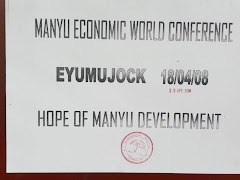
Almost twelve years later, the Manyu economic development world conference met in Eyumojock in 2008. This time around the education committee had a term of reference “poor performance in Manyu schools and how this can be avoided”. The committee identified three problems; lack of teachers, hostile environment and lack of motivation and low pay for PTA teachers. Here are some of the proposed solutions:

a) Training programs to motivate teachers should be organized as well as sourcing for necessary funds.
b) Meritorious Manyu teachers should be awarded certificates of excellence so as to motivate them.
c) Teachers should inculcate a culture of commitment and patriotism.
d) Everybody in society should partake in the training of children.

Based on these committee reports, we recognized the issue of falling standards in our schools almost a decade ago. It is true that lowly qualified and ill motivated teachers will never provide the quality of education needed. There is also evidence of lack of proper infrastructure and congenial environment for effective learning especially with schools in our rural areas. School fees are a barrier especially to our kids from poor backgrounds. Unlike fifteen years ago when the only secondary high school was in Mamfe town with good infrastructure and teachers, most of our students attend government sponsored schools in villages.

MEDWC donates technology equipment to area schools. In order to tackle the falling standards of education in Manyu since most schools are now in our rural communities, we must initiate innovation that could help schools excel in exams to enable the division take its prime position in the educational records of the country. Parents and stakeholders need to exercise control over headmasters, principals and teachers by attending PTA meetings and contributing to infrastructure development. Manyu politicians and those in positions of influence must address entrenched teacher deployment policies in Manyu. Effective decentralization over staffing is the, most effective way of ensuring a more transparent, equitable and efficient deployment of teachers to Manyu urban and area schools. The system should not only force Manyu indigenes to teach in their land of birth but also encourage and motivate them with incentives.

Friday, July 31, 2009

Is Sun Power the Solution to Manyu Energy Crisis?

Solar Street Light NEPAD, Africa’s development blueprint calls for countries in sub-sahara Africa to boost access to cheaper and reliable energy in order to achieve the desired social and economic prosperity for their nations. It is estimated that in some African countries, fewer than 5% have access to electricity with the figure falling to less than 2% in rural areas where the majority live.
Indeed, Africa posses some of the world’s largest watercourses –hydro potentials as well as worlds’ largest oil, coal and gas reserves. In order to move forward, African nations must find cheaper power sources to ensure sustainability and minimize environmental hazards. Experts believe that solar power, clean and renewable is the way forward for energy consumption in Africa.


Solar Technology

The sun is free, priceless and inexhaustible. Solar technology therefore converts the sun’s radiation directly into electricity with no pollution or harm to the environment. Solar panels generate enough power to run appliances such as televisions, radios, stoves, water pumps and produce light for households. Basically, the solar panel itself is a battery charger. When exposed to sunlight it produces direct current (DC).
The solar charge controller regulates the amount of energy that the panels put into the battery. Once the battery is fully charged it opens the circuit to prevent damaged caused by overcharging. After using some of the stored energy, it automatically closes the circuit and starts to recharge the battery during sunlight hours. Solar panels are rated in watts. For example, a 12 volt 15 watt panel averages about 15 watts per hour of sunlight. Multiple panels can be wired together in most cases. Another component used with solar panel is the inverter. It converts 12 volt DC energy in the battery to standard 220 AC voltages found in homes in Africa. Finally, batteries used in Solar systems must be deep cycle types. A standard car battery will be damaged quickly. The two common types of batteries used in Solar are sealed lead acid deep cycle and standard marine.

Case study – Ethiopian and Zimbabwe villages

According to BBC news, two years after the installation of a solar power project funded by international aid groups, villagers in northern Ethiopia now say the sun’s energy has turned their lives around. Rema, 150 miles north of Addis Ababa is home to Ethiopia’s largest solar project with every house in the village powered by solar lighting systems amounting to over 2100 homes. Village roofs are dotted with solar panels and one panel provides power for four lamps as well as energy for radios and tape players. Villagers now don’t have to struggle with smoke from wood or other biomass such as crop waste dominant fuel for cooking. Gas lamps are now something of the past, kids can do their homework and local businesses have seen an increase in night time activities. As in Ethiopia, some numerous villages in Zimbabwe turned to solar power in the 1990’s, a project supported by UNDP through the global environment facility (GEF). This project installed 9000 solar power systems throughout the country in a bid to improve living standards and curtail land degradations.


Bringing Sun Power to Rural Manyu:

Solar projects like those implemented in Ethiopia and Zimbabwe villages did not happen by some divine intervention. These projects were developed, initiated and forwarded to international organizations by stakeholders of those areas. By this we mean the indigenes and there lies the challenge and task in front of groups like MECA USA , MEDWC and development minded Manyuans.

Despite substantial amounts of money invested in the energy sector, only a minority of Manyu rural households are able to enjoy modern services provided by electricity. The majorities of people in our villages have no grid based electricity, and will not receive nor use it in their lifetime. In most of our villages, solar will make sense because households do not consume much electricity, at least initially. Village household usage is limited to a few lamps (2-3), a radio and or TV equivalent to 30-50 KWh per month. These services can easily be provided by low cost solar systems. Better access to electricity would definitely make a big difference to the quality of life in rural Manyu.

Solar panels mounted on the roof of a Village house.Although our people sometimes consume conventional modern energy, they do so in small amounts and pay dearly. Imagine dry cell batteries, they provide electricity but expensive. A candle or kerosene wick lamp does give light but a house will need much more to obtain same amount of light emitted by a single 40 watt incandescent lamp or 12 w compact fluorescent. Those who use candles and kerosene limit themselves to using enough light points to walk around the house. Hence the rural Manyu man has limited access to energy because of cost and accessibility. The levels of service our rural households enjoy now are only barely distinguished from that of medieval Europe. The Manyu rural household will never obtain a level of service, and improvement in social and economic conditions comparable to urban dwellers unless they get access to electricity - other than wood, dry cell batteries and biomass.

Future action:

For decades, kerosene lamps and sore eyes are the routine for children in Manyu villages to study and do their home work. Imagine painful eyes and headaches from fumes, not to mention the long term health impact of mothers cooking with firewood and inhaling smoke. How about impact on life span, aging and not living long enough to see their children grow? The Manyu land is blessed with plenty sunlight all year round. We can tap into this free and clean energy source to light up our remote and isolated villages that will never be linked to the national electricity grid. It can be done one house and one village at a time.

We owe it to our people, for economic prosperity and better living to explore the solar option. Bringing solar energy to a Manyu village is now conceivable than ever before. The average price of a one watt panel including electronics runs $7-$10 or 3500cfa - 5000CFA. With $500, we can light up a village hall.

Friday, July 24, 2009

Energy Crisis in Mamfe: Who is to blame?

High tension power line - Mamfe through Bamenda
For many years, the population of Mamfe town in particular, and Manyu in general has been plagued by constant power disruptions due to inadequate electricity supply from the power company. The economy of Mamfe, and Manyu division continues to suffer from frequent power cuts, thus retarding economic growth and social development. In many occasions, prolonged shut-offs have lasted several weeks, bringing commerce to a total halt. The population is often left helpless and exasperated as electric households appliances falter, night time attacks and burglaries increase. Some businesses have managed to operate for a few hours a day with the help of generators but the high price of fuel makes it cost prohibitive to run these machines for a prolonged period. It is safe to say, the common man can barely understand why Manyu continues to suffer blackouts despite privitization.

Electric Meter - the bills keep coming: After privatization, AES/SONEL promised a grande scheme to ease access, and improve the quality of electricity service by increasing power production capacity in the country. If any improvements have been done by AES, it has not filtered to Manyu. The question therefore is where do we go from here? Is there an alternative plan? Maybe, just continue to wait for the management of AES/SONEL to someday remember - equal treatment of all its customers is paramount to success. It is true energy business is about technology, rehabilitating dams, developing power plants but it is also about operations and good customer relationship. For one thing, electricity is a utility that tends to spur economic development and where there is monopoly customers suffer.

Is Sun Power therefore the solution to Manyu’s energy crisis? We will discuss this topic in our next write up.

Tuesday, July 14, 2009

Rural Development Projects in Manyu: Focus on Manyu Rural Radio.

Vehicle for spreading information to our community

Rural development in Manyu Division can best be described as having a retarded growth. This is because since independence and re-unification, the cry of the Manyu man and woman has been that their division has been neglected by government. By this they have often referred to their poor road infrastructure.


In spite of this cry of the Manyu citizens, it requires only a cursory look at the division to arrive at the conclusion that if government has indeed neglected Manyu Division, the teeming population of Manyu for nearly four decades neglected their division themselves.


Manyu is blessed with highly educated intellectuals, vast forest resources, a big river running through the length and breadth of the land, a big population with a high literacy rate, and to name but a few, a large capitalist oriented market as a neighbor. Nigeria, a country which up till date gulps a big share of Manyu’s forest and agricultural resources and so likely to pump billions in currency into the economy of Manyu, if commercial interchanges had been properly arranged all these years.


Before the Manyu radio project came up, (around 1996) when the administration got wind of it and stepped in to endure its materialization), no project had ever been introduced which engulfed the active participation of the entire division’s population and which was significant and challenging enough to test the collective will of the people, asses their readiness to sacrifice or evoke their patriotism for the division native to them.


What people had been engaged in and not even successfully all these years had been individual self subsistent farming with little attention paid to the need to develop even those food – crop farms to the dimension of a serious economic venture. For those who owned cash crop farms, their ambitions before the eighties did not rise to a high commercial level either. Nobody thought of developing the fishing industry despite the vast water resources and to date, there are still traders who travel hundreds of kilometers to buy fishery products and sell in Manyu Division.


Groups such as Common Initiative Groups (CIGs) have existed in our neighbor North West Province for over two decades. Their activities have created a flourishing rural development spree that has given birth to extensive dairy products, cottage industries, communal rice, potatoes, animal husbandry ventures and even arts and crafts works, while in Manyu CIGs are still a novelty. It is only today that people’s eyes are opening to the existence of loaned and grants from international bodies for agricultural development.


ENTER VOICE OF MANYU (V.O.M.)


With the rash of CIGs, NGOs and co-operatives in Manyu came the one project that could help galvanize all the fledging macro and micro groupings into a veritable development oriented entities – the Manyu Rural Radio project.

Typical Community Radio Studio in Rural Africa

The radio station better known as the Voice of Manyu (V.O.M.) is a gift from La Francophonie, spearheaded by Canada. It was installed in September 1997 and hit Cameroon’s airwaves for the first time on September 20, 1997. For the equipment to come to Manyu, it was mandatory for the people of Manyu to build the station. At the level of the division, as a result of the absence of a well co-ordinate body that could mobilize the population for much needed development, the administration had to step in before even the construction work could be effected. A loan of 3 million FCFA was contracted from a local Manyu co-operative bank, Solidarity Savings and Loans (SSL) and a levy of 200 FRS, per person was imposed on the population.


As usual, if construction depended only on contributions from the population, the project could have failed. A substantial amount to build the structure came from Manyu’s external elite, MECA branches of Yaoundé, Douala, Limbe, USA and Europe; but by far what clinched the job were the contributions of Mr. Johnson Agborsangaya (late) who not only lent blocks, iron rods and other materials but worked physically day and night (with a chantier lamp) for two weeks to raise the building from foundation to completion. Other Manyu businessmen like Mr. Isaac Enowkpa (late) lent building materials and also supervised work. Mokoko and some others are still being owed. The Kembong community worked hardest, one might say, perhaps because the station is situated in their village. They also supplied zinc.

Modern Community Radio Studio

So it can be seen that for a Division – wide project to succeed in Manyu, some individuals must be ready to sacrifice. There is no gainsaying the fact that staff who have voluntarily given their best since 1997 without remuneration to speak of, now need to be looked after, as the success of any project lies in the people who work there.


The station itself needs furnishing, painting, a fence, toilets and repairs of equipment. V.O.M. has become symbol of Manyu solidarity. Let us keep it alive.

Radio Station Antenna - needed for Voice of Manyu

Addendum by Simon Etta:

When MEDWC USA last visited the station in December 2008, it was still alive but limping. The radio house relocated from Kembong a few years ago when the main transmitter got bad, and the signal could barely reach most of the listeners beyond 8 km. It is currently operating in the Mamfe town hall occupying two small offices.

Management has also changed hands with Cyprian Agbor - pioneer Manager retiring. Voice of Manyu is badly in need of modern equipment to operate effectively – transmitters, microphones, DVD players, tape recorders, mixers, just to name a few. There is also a need to construct a 50M antenna to help with better signal penetration across the division. The previous 30 m antenna was damaged by thunderstorm.

Whereas similar community radio stations are functioning well in other parts of the country, V.O.M has been a dismal failure. The lack of communication throughout the vast region of Manyu is a major barrier to sustainable development. The vision for a community radio is to spread information to our community whether related to education, health, agriculture, women or children's rights.

Once again, we are challenged to build a community spirit and learn how to work as a group/team. We are reminded that human life in common is only made possible when a majority comes together. As we seek achievements for ourselves, we must not forget that prosperity and progress calls for community development. It is time we rescue VOM from life support and rebuild it as a community effort for the young generation.


This story was originally published by AGBOR Cyprian Agbor - Pioneer station Manager for Voice of Manyu (V.O.M).